
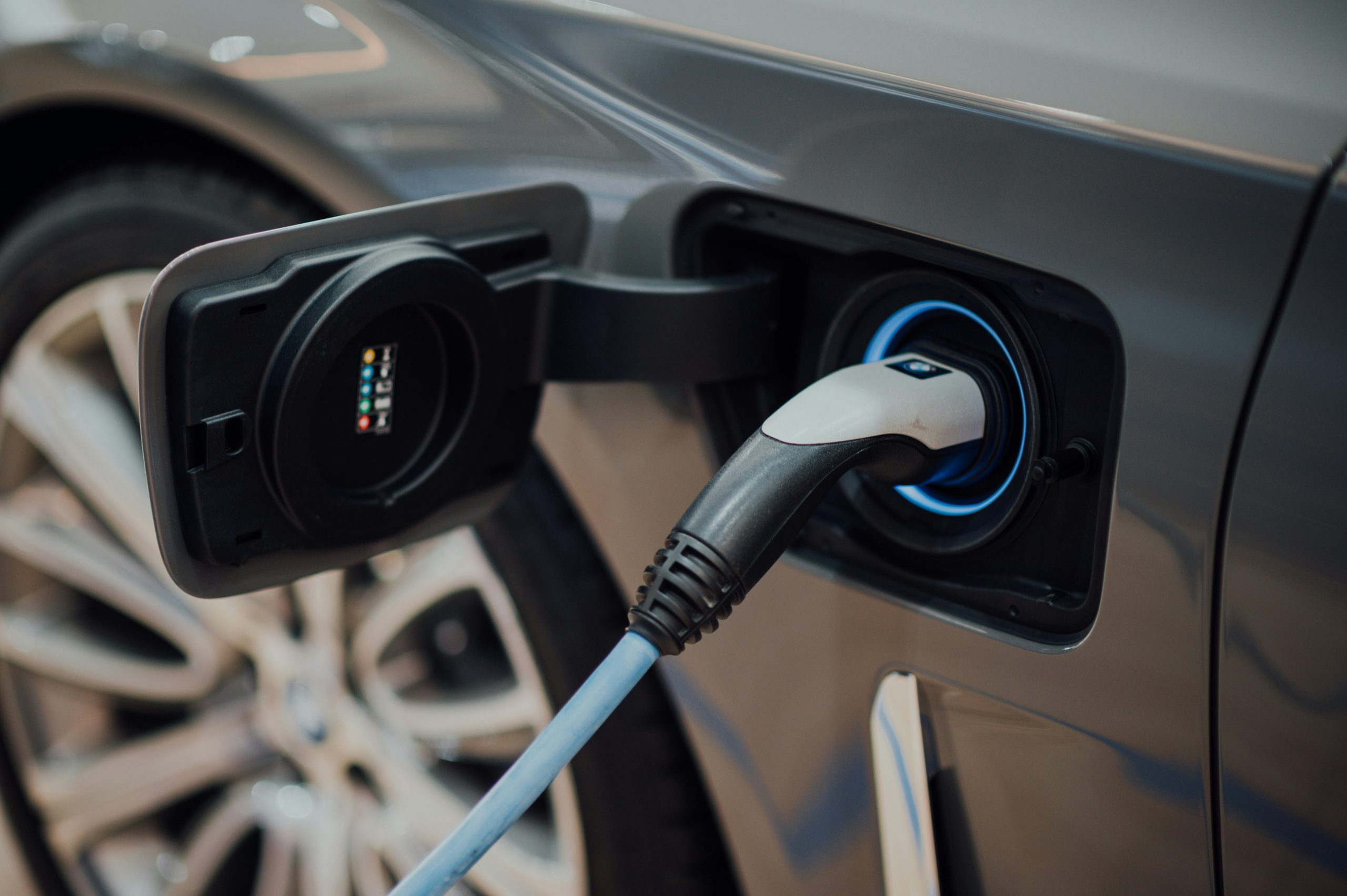
Electric vs petrol fleets: making the switch in today’s market
As businesses across the UK face rising fuel costs, tightening emissions regulations, and increasing pressure to improve sustainability, many fleet operators are considering whether now is the right time to transition from petrol or diesel vehicles to electric alternatives.
While petrol and diesel fleets still play an important role across many industries, electric vehicles (EVs) are becoming an increasingly viable option for businesses looking to reduce long term operating costs and future-proof their operations.
The benefits of electric fleets
One of the biggest advantages of electric fleets is reduced running costs. Electricity is often significantly cheaper than fuel, particularly for businesses charging vehicles overnight or using dedicated charging infrastructure. EVs also generally have fewer moving parts than traditional combustion vehicles, which can reduce servicing and maintenance costs over time.
Environmental benefits are another major factor driving adoption. Electric vehicles produce zero tailpipe emissions, helping businesses lower their carbon footprint and work towards sustainability targets. This can also support brand reputation as customers and clients place greater emphasis on environmentally responsible operations.
In addition, government incentives, tax benefits, and lower Benefit-in-Kind rates continue to make electric vehicles attractive for company fleets and salary sacrifice schemes.
Challenges businesses still face when switching to EVs
Despite the advantages, switching to electric is not always straightforward. Range limitations, charging infrastructure, vehicle availability, and higher upfront costs remain key concerns for many businesses.
For fleets covering long distances or operating in remote locations, charging accessibility can still present logistical challenges. Businesses also need to consider how charging will work operationally, whether through depot charging, workplace charging, or home charging solutions for employees.
Vehicle suitability is another important factor. While electric cars and vans continue to improve rapidly, not every role or application is currently suited to full electrification. Many businesses are therefore choosing a phased transition or a mixed fleet approach while infrastructure and technology continue to develop.
Electric vs fuel- comparing long term costs
Although electric vehicles often have higher initial purchase prices, the total cost of ownership can be lower over the vehicle’s lifespan due to reduced fuel, tax, and maintenance expenses.
Businesses should carefully assess their daily mileage, usage patterns, downtime requirements, and operating environment before making decisions. In many cases, fleets operating predictable urban or regional routes are well positioned to benefit from electrification.
How a fleet management company can help
A fleet management company such as Fleet Operations can play a vital role in helping businesses navigate the transition from petrol or diesel to electric vehicles. By analysing vehicle usage, driver behaviour, route patterns, and operational requirements, fleet management specialists can identify where electric vehicles are most suitable and cost-effective.
At Fleet Operations, we can also assist with vehicle sourcing, charging infrastructure planning, maintenance management, compliance, and salary sacrifice schemes. With expert guidance and ongoing support, businesses can make informed decisions, avoid costly mistakes, and implement a fleet strategy that balances operational efficiency, sustainability, and long term cost savings.
Planning for the future
The move towards electric fleets is continuing to accelerate, but every business will transition at its own pace. The key is developing a strategy that works for your operations both now and in the future.
By carefully evaluating fleet requirements and seeking expert support from a fleet management company, businesses can make confident decisions that improve efficiency, reduce emissions, and prepare for the changing transport landscape.